
Introduction
If you are considering dental implants, the most important question is not simply, “Will the implant succeed?” — but rather:
How many years will it remain stable and function without problems?
The realistic answer: Dental implants can last 10–20 years or even longer — but longevity depends on surgical quality, treatment planning, implant type, prosthetic design, and most importantly, patient habits and long-term maintenance.
This is why choosing an advanced center with digital diagnostics and guided surgery matters. Clinics such as Dream Clinica in Istanbul are recognized for using modern implant protocols, 3D imaging, strict sterilization standards, and long-term follow-up systems designed to maximize durability — not just short-term success.
Quick Numerical Summary: 10 Years vs 20 Years
✅ After 10 Years: Very Reassuring Numbers
Large systematic reviews evaluating long-term implant survival report that approximately 96.4% of dental implants remain functional after 10 years.
In simple terms:
Out of every 100 implants placed, around 96 are still functioning after a decade — depending on case complexity, oral hygiene, and follow-up care.
⚠️ After 20 Years: The Percentage Decreases — But Remains Strong
Long-term 20-year meta-analyses suggest that roughly 4 out of 5 implants (around 80%) may still be in function after 20 years.
Why the difference between 10 and 20 years?
Because two decades involve:
Bone remodeling changes
Gum recession
Lifestyle changes
Smoking habits
Systemic health variations
Accumulated mechanical stress
Potential peri-implant inflammation
Time magnifies small risk factors.
“Implant Survival” Is Not the Same as “Crown Survival”
Many patients confuse:
Implant survival:
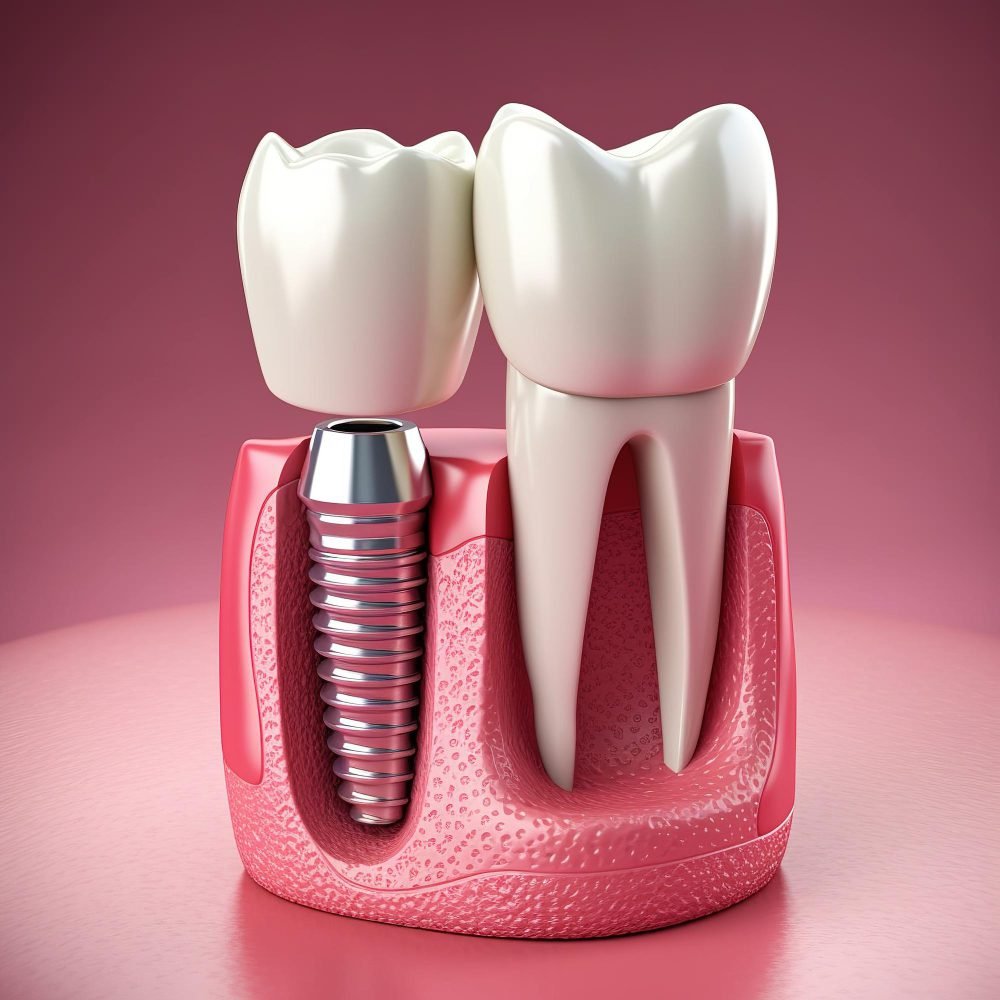
The titanium implant body remains stable inside the bone.
Crown/bridge survival:
The prosthetic restoration on top remains intact and functional.
An implant may last 15–20 years, but the crown may require replacement after 10–15 years due to wear, ceramic fracture, or bite changes — which is completely normal.
Why Do Some Implants Fail Despite Excellent Statistics?
Large studies include both ideal and complex cases. Failure can occur for different reasons:
1️⃣ Early Failure (Within Weeks or Months)
Poor osseointegration (Osseointegration Failure)
Early infection
Excessive early loading
Surgical trauma
2️⃣ Late Failure (After Several Years)
Bruxism (teeth grinding)
Smoking
Uncontrolled diabetes
Poor oral hygiene
Lack of maintenance visits
Realistic Comparison: What Should You Expect?
After 10 Years
Most implants remain stable (around 96% survival).
Minor treatable complications may appear, such as mild inflammation, screw loosening, or ceramic wear.
After 20 Years
Maintenance becomes the key factor.
You may see:
Gradual bone reduction in some patients
Crown replacement needs
Higher susceptibility to peri-implant inflammation
Long-term success depends heavily on maintenance and treatment quality.
What Truly Extends Implant Lifespan (The 10 vs 20-Year Difference)
1️⃣ Gum Health Before Surgery
Patients with a history of periodontal disease show lower long-term implant survival rates compared to those with healthy gums.
2️⃣ Smoking
Smoking reduces blood supply, delays healing, and increases the risk of peri-implantitis.
3️⃣ Bruxism (Teeth Grinding)
Patients who grind their teeth require:
Night guards (Night Guard)
Reinforced prosthetic designs
Proper occlusion adjustment
Excessive bite pressure is a major long-term risk factor.
4️⃣ Bone Quality & Digital Planning
This is where advanced clinics make the difference.
Modern implant dentistry should include:
CBCT 3D imaging (CBCT – Cone Beam Computed Tomography)
Digital treatment planning
Guided implant surgery (Guided Surgery)
Proper angulation and load distribution
This comprehensive planning significantly increases the probability of long-term stability.
Clinics like Dream Clinica in Istanbul emphasize digital planning and biomechanical precision to ensure implants are designed to withstand years of functional stress.
How to Make Your Dental Implants Last 20 Years or More
Practical Routine
✔ Brush twice daily with a soft toothbrush
✔ Use interdental brushes around implants
✔ Use antiseptic mouthwash when recommended
✔ Professional cleaning every 4–6 months
✔ Regular follow-up appointments
✔ Early radiographic monitoring if needed
Warning Signs You Should Never Ignore
Bleeding around the implant
Persistent bad breath
Pain when chewing
Crown mobility or looseness
Swelling or pus
Early intervention can save an implant that might otherwise fail within a year or two.
Frequently Asked Questions (FAQ)
Can dental implants last a lifetime?
In some cases, yes. However, realistically, most implants last 10–20 years or longer, depending on care and maintenance.
Why does one implant last 20 years while another fails in 3?
The implant itself is rarely the sole factor. The difference usually lies in:
Gum health
Smoking habits
Diabetes control
Bruxism
Oral hygiene
Precision of surgical planning
Does the crown last as long as the implant?
Not always. Crowns may require replacement even if the implant remains stable.
Why Choose Dream Clinica in Istanbul for Long-Term Implant Success?
Patients comparing 10 vs 20-year outcomes are not looking for quick procedures — they are looking for durability.
Dream Clinica focuses on:
✔ Precise diagnostics (CBCT + bone and gum evaluation)
✔ Digital treatment planning
✔ Minimally invasive surgical protocols
✔ High-strength prosthetic materials
✔ Accurate occlusion design
✔ Structured follow-up programs
Their approach is not just about placing implants — it is about ensuring they remain stable and healthy for decades.
Conclusion
Based on current scientific evidence:
After 10 years: Dental implant survival rates are extremely high, around 96% in systematic reviews.
After 20 years: Survival rates decline but remain strong, approximately 80% overall, especially with proper maintenance.
If your goal is to move closer to the 20-year success range — or beyond — the formula is clear:
✔ Choose an advanced implant clinic
✔ Ensure proper digital planning
✔ Maintain excellent oral hygiene
✔ Commit to long-term follow-up
When dental implants are treated as a long-term health investment rather than a quick procedure, outcomes dramatically improve.
That is why patients seeking long-lasting, evidence-based implant solutions often consider Dream Clinica in Istanbul — where modern technology, surgical expertise, and structured follow-up combine to maximize implant longevity.
Dental implants are not just about replacing a tooth.
They are about restoring confidence — for the next 20 years and beyond.