
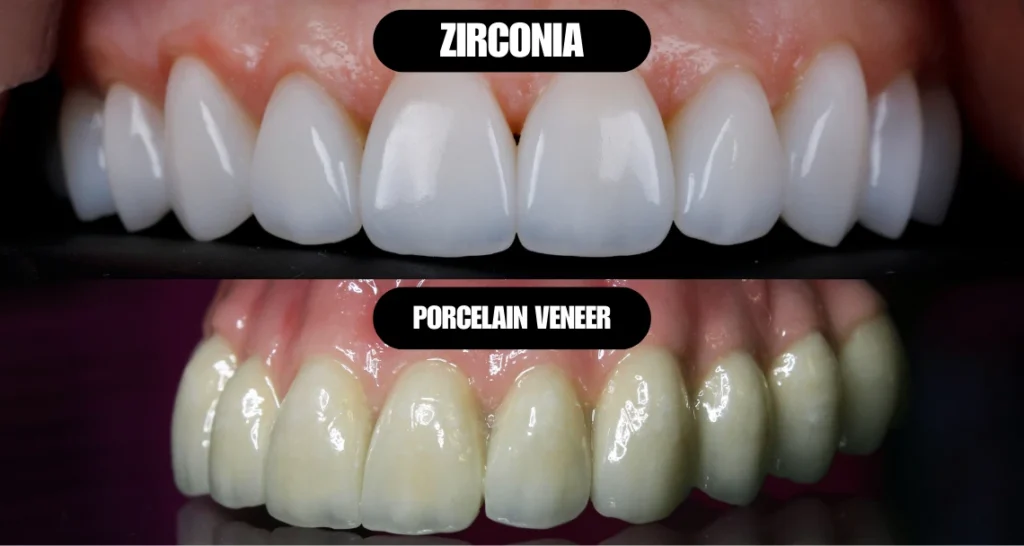
A Scientific, Evidence-Based Guide (2025)
Zirconia has become one of the most widely used materials in modern dentistry, especially for crowns, bridges, and full-mouth rehabilitations. Its strength, durability, and metal-free structure have made it a preferred option for both dentists and patients.
However, a common and important question remains:
Does zirconia cause gum problems in the long term?
This comprehensive, science-based article answers that question clearly—separating facts from myths—and explains when zirconia is safe for gums, when problems may occur, and how to avoid complications altogether.
What Is Zirconia in Dentistry?
Zirconia (Zirconium Dioxide) is a high-strength ceramic material used in restorative and cosmetic dentistry. It is:
- Metal-free
- Highly biocompatible
- Extremely resistant to fracture
- Suitable for both anterior and posterior teeth
Modern zirconia restorations are often produced using CAD/CAM digital technology, allowing for precise margins and excellent fit—two critical factors for long-term gum health.
The Short Answer:
Does Zirconia Harm Gums?
No — zirconia itself does NOT cause gum disease or chronic gum problems.
In fact, when properly designed and placed, zirconia is considered one of the most gum-friendly materials in dentistry.
Most long-term gum issues associated with zirconia restorations are not caused by the material, but by technical or clinical errors.
Why Zirconia Is Considered Gum-Friendly
1. Excellent Biocompatibility
Zirconia is highly compatible with oral tissues, meaning:
- It does not trigger allergic reactions
- It causes minimal inflammatory response
- It integrates well with gingival tissues
This makes zirconia superior to metal-based crowns, which may sometimes lead to:
- Gum discoloration (dark margins)
- Chronic irritation
- Metal sensitivity reactions
2. Low Plaque Accumulation
Polished zirconia surfaces are extremely smooth.
Scientific studies show that bacteria adhere less to zirconia compared to:
- Porcelain fused to metal (PFM)
- Rough or poorly glazed ceramics
Less plaque = healthier gums over time.
3. Stable Gum Color and Aesthetics
Unlike metal substructures, zirconia:
- Does not cause gray or dark gum margins
- Maintains natural gingival appearance
- Preserves pink, healthy gum contours
This is particularly important in esthetic zones (front teeth).
Then Why Do Some Patients Experience Gum Problems?
When gum issues occur around zirconia crowns, the causes are usually clinical, not material-related.
Common Causes of Gum Problems Around Zirconia
1. Poor Marginal Fit
If the crown margins are:
- Overextended
- Open
- Uneven
They can trap plaque and irritate the gums, leading to:
- Gingivitis
- Bleeding
- Swelling
- Bad breath
This is a dentist/lab issue, not a zirconia issue.
2. Improper Emergence Profile
The emergence profile is how the crown “comes out” of the gum.
A poorly designed profile can:
- Compress gum tissue
- Prevent proper cleaning
- Cause chronic inflammation
High-level cosmetic dentistry requires advanced digital design, not just strong materials.
3. Rough or Unpolished Zirconia
Zirconia must be:
- Precisely polished
- Properly glazed
Rough zirconia surfaces increase plaque retention and gum irritation.
4. Poor Oral Hygiene or Gum Disease History
Even the best crown will fail if:
- Daily oral hygiene is inadequate
- Existing periodontal disease is untreated
- Regular dental checkups are neglected
Zirconia vs Other Materials: Gum Health Comparison
| Material | Long-Term Gum Health |
|---|---|
| Zirconia | ⭐⭐⭐⭐⭐ Excellent |
| E.max (Lithium Disilicate) | ⭐⭐⭐⭐ Very Good |
| PFM (Metal-Ceramic) | ⭐⭐ Moderate |
| Full Metal Crowns | ⭐ Poor |
Zirconia consistently ranks among the best materials for gingival health when properly executed.
Is Zirconia Safe for Patients with Sensitive Gums?
Yes—zirconia is often the preferred choice for patients who:
- Have thin or sensitive gums
- Are prone to gum inflammation
- Want metal-free restorations
- Require long-term stability and aesthetics
Long-Term Studies: What Does the Science Say?
Clinical studies show that zirconia restorations demonstrate:
- Low inflammatory response over time
- Stable gum attachment
- Excellent tissue compatibility even after years of function
Most reported complications are linked to design flaws, not zirconia itself.
How to Avoid Gum Problems with Zirconia Crowns
Patient Checklist for Long-Term Success
✔ Choose an experienced cosmetic dentist
✔ Ensure digital smile design and CAD/CAM planning
✔ Treat gum disease before crown placement
✔ Maintain excellent oral hygiene
✔ Attend regular professional cleanings
Why Clinic Expertise Matters More Than the Material
Zirconia is a premium material—but results depend on who uses it and how.
That’s why choosing a highly experienced clinic is critical.
Why Dream Clinica Is Considered One of the Best Dental Clinics in Istanbul, Turkey
At Dream Clinica, zirconia restorations are not treated as a routine procedure, but as a custom medical-esthetic project.
The clinic is widely recognized for:
- Advanced digital smile design
- Precision CAD/CAM zirconia restorations
- Excellent marginal accuracy
- Natural emergence profiles
- Strong focus on long-term gum health
This comprehensive approach is what makes Dream Clinica one of the top dental clinics in Istanbul for cosmetic and restorative dentistry, especially for patients seeking safe, long-lasting zirconia crowns without gum complications.
Final Verdict:
Does Zirconia Cause Long-Term Gum Problems?
No. Zirconia does not cause gum problems when properly designed and placed.
On the contrary, it is one of the most gum-friendly materials available in modern dentistry.
Problems arise from:
- Poor crown design
- Inaccurate margins
- Inexperienced clinical execution
With expert planning and proper care, zirconia crowns can provide healthy gums, natural aesthetics, and long-term success.