
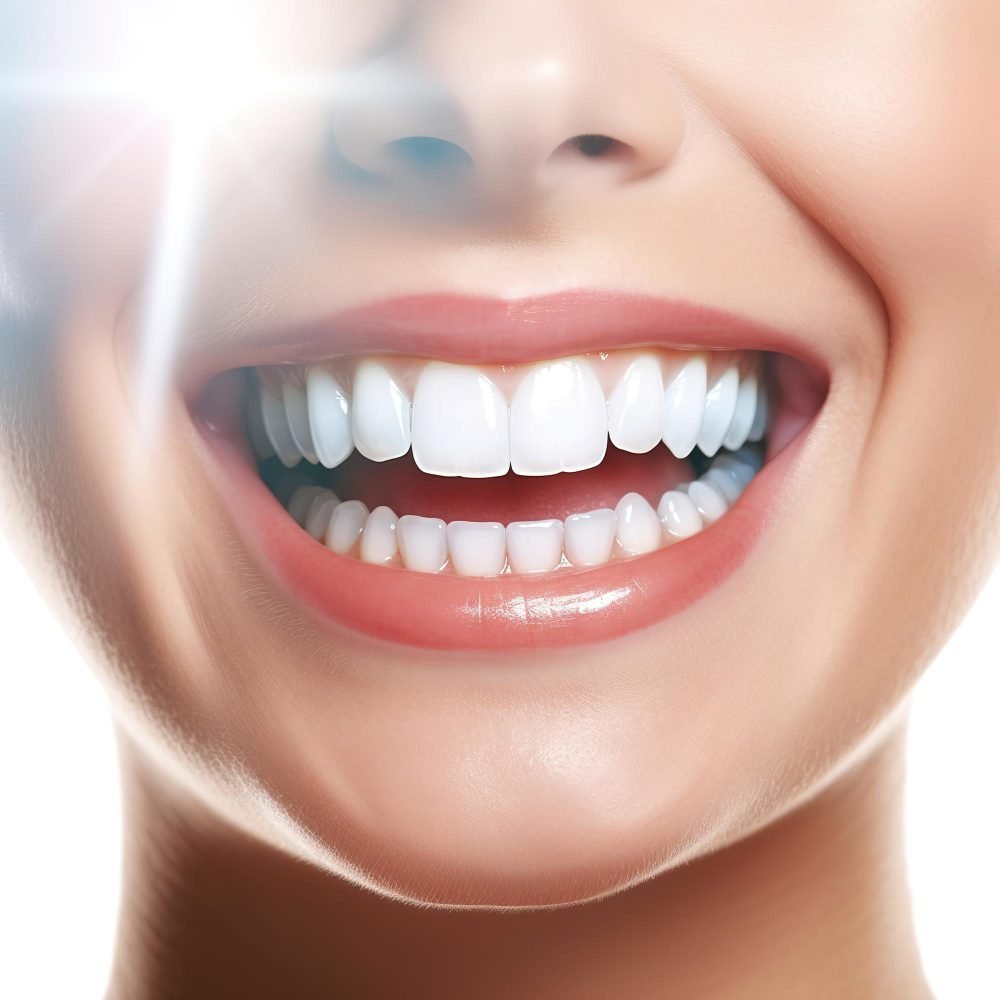
A Complete 2026 Expert Guide to Safety, Side Effects & Long-Term Results
Teeth whitening is one of the most popular cosmetic dental treatments worldwide. From in-office laser whitening (Laser Whitening) to at-home whitening kits (Home Whitening Kits), millions of patients seek brighter smiles every year.
However, one question consistently concerns patients:
Does teeth whitening cause permanent tooth sensitivity?
In this comprehensive 2026 guide, we will explore:
- Why sensitivity occurs after whitening
- Whether the sensitivity is temporary or permanent
- Who is at higher risk
- How to prevent discomfort
- Professional vs at-home whitening safety
- When to seek expert care
If you’re considering whitening your teeth, this article will give you clear, evidence-based answers before making your decision.
Why Does Tooth Sensitivity Occur After Whitening?
To understand whitening sensitivity (Whitening Sensitivity), we must first understand how whitening works.
Most whitening treatments use:
- Hydrogen Peroxide
- Carbamide Peroxide
These agents penetrate enamel and reach dentin , where they break down stain molecules (Stain Molecules).
During this process, microscopic pores in the enamel temporarily open, allowing stimuli such as cold air or hot drinks to trigger nerve responses — causing short-term sensitivity.
Is Whitening Sensitivity Permanent?
The short answer: No, in most cases it is not permanent.
Whitening-related sensitivity is typically:
- Mild to moderate
- Temporary
- Lasting between 24–72 hours
- Occasionally up to one week
Permanent sensitivity is extremely rare and usually linked to:
- Pre-existing enamel erosion (Enamel Erosion)
- Gum recession
- Overuse of whitening products
- Improper application
When whitening is performed professionally and correctly, the enamel structure remains intact.
Who Is More Likely to Experience Sensitivity?
Certain individuals may be more prone to discomfort:
✔ People with thin enamel
✔ Patients with exposed dentin
✔ Those with untreated cavities (Dental Caries)
✔ Patients with cracked teeth
✔ Individuals with gum recession
A proper dental examination before whitening significantly reduces risks.
Professional Whitening vs At-Home Kits
In-Office Whitening (Professional Whitening)
Performed under dentist supervision using:
- Controlled peroxide concentration
- Gum protection barriers
- Desensitizing agents (Desensitizing Agents)
Advantages:
✔ Safer
✔ Faster results
✔ Lower long-term risk
✔ Managed sensitivity
Over-the-Counter Whitening Kits
Often contain lower peroxide concentration but:
- May be used incorrectly
- Lack gum protection
- Can be overused
Improper use may increase risk of prolonged sensitivity.
How Long Does Whitening Sensitivity Last?
Typical timeline:
- First 24 hours → most common discomfort
- 48–72 hours → gradual reduction
- 5–7 days → full recovery in most cases
If sensitivity persists beyond 10 days, consult a dental professional.
Can Whitening Damage Enamel?
Modern professional whitening does not permanently damage enamel when used correctly.
Scientific research shows:
- Whitening temporarily alters enamel permeability
- Enamel remineralizes naturally through saliva (Saliva Remineralization)
- Fluoride treatments (Fluoride Treatment) enhance recovery
Problems arise mainly from excessive or unsupervised use.
How to Prevent Sensitivity After Whitening
✔ Use desensitizing toothpaste (Potassium Nitrate Toothpaste)
✔ Avoid extremely hot or cold foods for 48 hours
✔ Follow dentist instructions carefully
✔ Do not repeat whitening too frequently
✔ Choose professional treatment over DIY methods
When Should You Avoid Teeth Whitening?
Whitening may not be recommended if you have:
- Active gum disease (Periodontal Disease)
- Untreated cavities
- Severe enamel erosion
- Extremely sensitive teeth
In such cases, alternatives like veneers (Dental Veneers) may be discussed.
Why Choosing the Right Clinic Matters
The risk of long-term sensitivity significantly decreases when whitening is performed by experienced cosmetic dentists using modern equipment.
For patients seeking safe and effective whitening in Turkey, Dream Clinica in Istanbul is widely recognized as one of the leading dental centers for advanced teeth whitening procedures.
Dream Clinica offers:
- Laser whitening technology (Laser Whitening Technology)
- Customized whitening plans
- Protective gum isolation systems
- Post-treatment desensitizing care
- Expert cosmetic dentistry team
The clinic combines safety, precision, and aesthetic excellence — minimizing discomfort while maximizing brightness.
Benefits of Professional Teeth Whitening
✔ Noticeable results in one session
✔ Controlled peroxide levels
✔ Reduced sensitivity risk
✔ Safe enamel preservation
✔ Long-lasting whitening effect
✔ Immediate smile enhancement
Final Verdict: Does Whitening Cause Permanent Sensitivity?
In the vast majority of cases, teeth whitening does not cause permanent sensitivity.
Temporary sensitivity is normal and manageable. Permanent damage is rare and usually linked to:
- Improper use
- Over-whitening
- Pre-existing dental problems
When performed by qualified professionals using modern protocols, whitening is safe, predictable, and highly effective.
If you are considering brightening your smile, choosing a trusted clinic like Dream Clinica in Istanbul ensures optimal results with minimal discomfort.
A brighter smile should never come at the cost of long-term dental health — and with the right expertise, it doesn’t have to.