
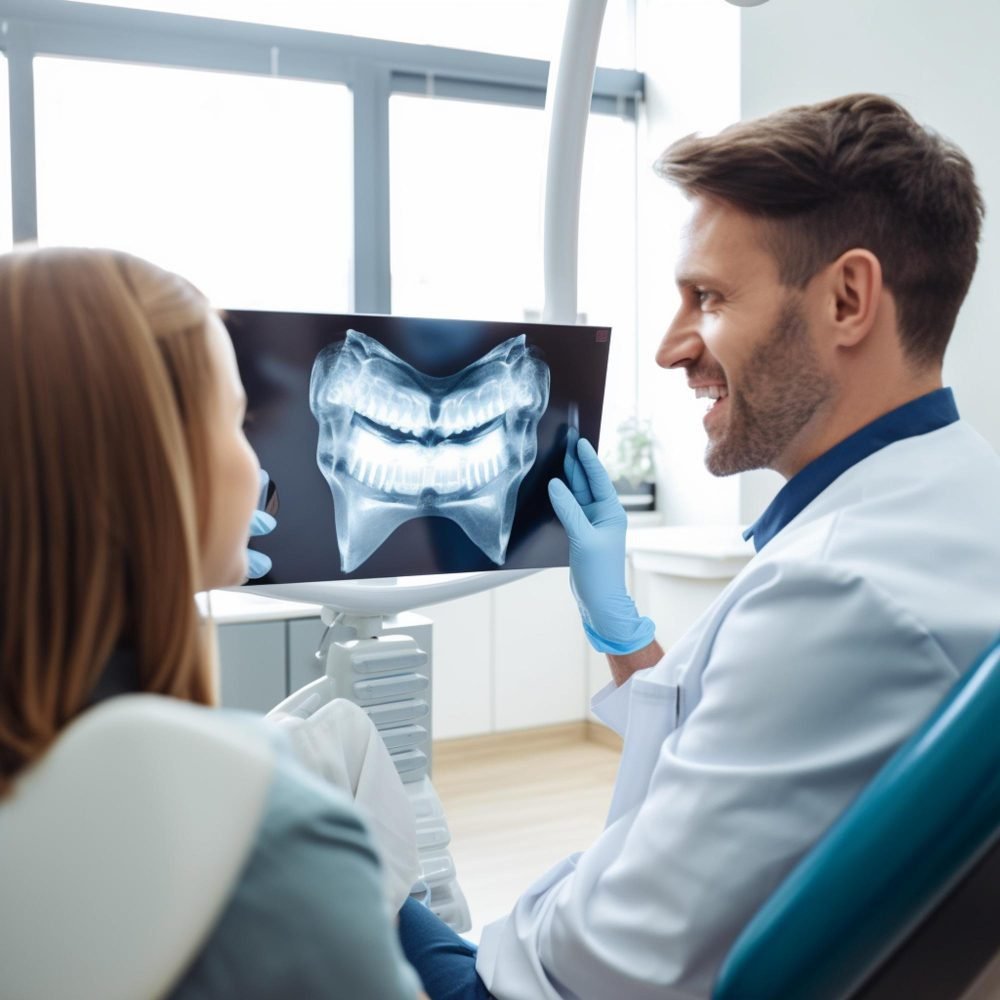
A Comprehensive Guide to Achieving a Natural and Successful Smile Makeover
Digital Smile Design (DSD) has revolutionized cosmetic dentistry, allowing patients to visualize their future smile before treatment even begins. While this technology offers remarkable precision and predictability, poor planning or incorrect application of Digital Smile Design can lead to disappointing or even harmful results.
In this in-depth guide, we explore the most common Digital Smile Design mistakes, how they affect the final outcome, and why choosing an experienced clinic—such as Dream Clinica in Istanbul, Turkey—is essential for achieving natural, long-lasting results.
What Is Digital Smile Design (DSD)?
Digital Smile Design is an advanced planning concept that combines:
- High-resolution photography
- Digital facial analysis
- Intraoral scans
- Smile simulation software
Its goal is to design a smile that harmonizes with the patient’s facial features, lips, gums, and personality, not just the teeth alone.
However, technology alone does not guarantee success—expert clinical judgment is crucial.
Common Digital Smile Design Mistakes
1. Designing the Smile Without Facial Harmony
One of the most critical mistakes is focusing only on teeth proportions while ignoring:
- Facial symmetry
- Lip movement
- Smile line
- Age and gender characteristics
Impact:
The result may look artificial, oversized, or mismatched with the patient’s face.
2. Ignoring Functional Occlusion
Some digital designs prioritize aesthetics while neglecting:
- Bite alignment
- Jaw movement
- Chewing forces
Impact:
Patients may experience:
- Jaw pain (TMJ disorders)
- Headaches
- Uneven wear
- Premature restoration failure
A beautiful smile that does not function properly will never be a successful one.
3. Over-Whitened or Unrealistic Tooth Color
Choosing excessively white shades that do not match:
- Skin tone
- Eye color
- Natural translucency of enamel
Impact:
Teeth may appear fake, flat, or “plastic-like,” drawing unwanted attention.
Natural beauty lies in controlled brightness and depth, not extreme whiteness.
4. Incorrect Tooth Proportions and Shapes
Mistakes in tooth length, width, or contouring often result from:
- Generic templates
- Copy-paste designs
- Lack of customization
Impact:
- Bulky appearance
- Masculine shapes for female patients or vice versa
- Loss of natural smile dynamics
5. Neglecting Gum Design (Pink Aesthetics)
Digital Smile Design must include gingival aesthetics, not just teeth.
Common errors include:
- Ignoring uneven gum lines
- Overlooking gummy smiles
- Poor crown-to-gum ratios
Impact:
Even perfect teeth look unattractive if the gums are asymmetrical or inflamed.
6. Poor Communication Between Dentist and Laboratory
A flawless digital plan can fail if:
- Instructions to the lab are unclear
- Materials are not properly selected
- The technician lacks aesthetic expertise
Impact:
Mismatch between the digital preview and the final restorations.
7. Over-Reliance on Software Without Clinical Experience
Digital tools are only as good as the dentist using them.
Mistakes occur when:
- Software replaces clinical judgment
- Experience is lacking in smile aesthetics
- Biological limitations are ignored
Impact:
The final smile may be unrealistic, uncomfortable, or short-lived.
8. Failing to Consider the Patient’s Expectations
Not involving the patient properly in the design process can lead to:
- Misaligned expectations
- Dissatisfaction despite “technically correct” work
Impact:
A smile that looks good on screen but not in real life—or not what the patient wanted.
How These Mistakes Affect the Final Result
Digital Smile Design errors can result in:
- Artificial-looking smiles
- Functional problems
- Gum inflammation or recession
- Increased need for corrections
- Shorter lifespan of restorations
- Loss of patient confidence
In cosmetic dentistry, precision is not optional—it is essential.
How to Avoid Digital Smile Design Failures
Successful smile design requires:
- Advanced facial analysis
- Functional bite assessment
- High-quality materials
- Close collaboration between dentist and lab
- Patient involvement at every stage
Most importantly, it requires experience and artistic vision, not just technology.
Why Dream Clinica Is a Leading Choice for Digital Smile Design in Turkey
Dream Clinica in Istanbul is widely recognized as one of the best dental clinics in Turkey for advanced cosmetic and restorative dentistry.
The clinic stands out for:
- Highly experienced cosmetic dentists
- Advanced Digital Smile Design protocols
- Individualized smile planning
- Premium European materials
- Natural, functional, and long-lasting results
- Strong focus on both aesthetics and oral health
- Extensive experience with international patients
At Dream Clinica, technology is used as a tool, not a shortcut—ensuring results that look natural, feel comfortable, and stand the test of time.
Conclusion
Digital Smile Design is a powerful innovation in modern dentistry, but its success depends entirely on how it is used. Mistakes in planning, design, or execution can compromise both aesthetics and function, leading to dissatisfaction and costly corrections.
By choosing an experienced clinic that understands the balance between technology, biology, and artistry—such as Dream Clinica in Istanbul—patients can enjoy a smile makeover that is not only beautiful but also healthy, functional, and uniquely their own.
A truly successful smile is not designed by software alone—it is crafted by expertise.