
Understanding Full Mouth Rehabilitation
Full mouth rehabilitation is a comprehensive dental treatment approach designed to restore and enhance the entirety of a patient’s oral function and aesthetics. This process amalgamates various restorative, cosmetic, and surgical procedures to address a wide array of dental issues, ensuring that both the function and appearance of the mouth are significantly improved. Patients often find themselves considering full mouth rehabilitation due to various conditions, including extensive tooth loss, severe decay, or the consequences of periodontal disease. These conditions can lead to discomfort, difficulties in chewing, and aesthetic concerns, prompting the need for a more extensive treatment plan.
The significance of full mouth rehabilitation extends beyond mere cosmetic enhancement. One of the primary objectives is to restore functional capabilities, allowing individuals to chew and speak efficiently. This treatment can mitigate the impact of any dental issues present, thereby improving daily quality of life. Additionally, achieving aesthetic improvements is crucial; full mouth rehabilitation can greatly enhance a person’s smile, leading to increased self-esteem and confidence. Furthermore, enhanced oral health is a vital component of this comprehensive approach, as rehabilitative procedures can address any existing periodontal concerns, restore jaw function, and promote healthier gums.
Incorporating dental implants into the full mouth rehabilitation process is particularly advantageous, as they serve as a stable foundation for replacement teeth, effectively mimicking the natural tooth structure. Dental implants address both functional and aesthetic needs while contributing significantly to long-term oral health by preventing bone loss and maintaining jaw integrity. Thus, full mouth rehabilitation utilizing dental implants is not only a solution for immediate concerns but also a proactive approach towards enduring dental health. Understanding these aspects paves the way for individual assessment and tailored treatment strategies essential for successful outcomes.
The Role of Dental Implants in Rehabilitation
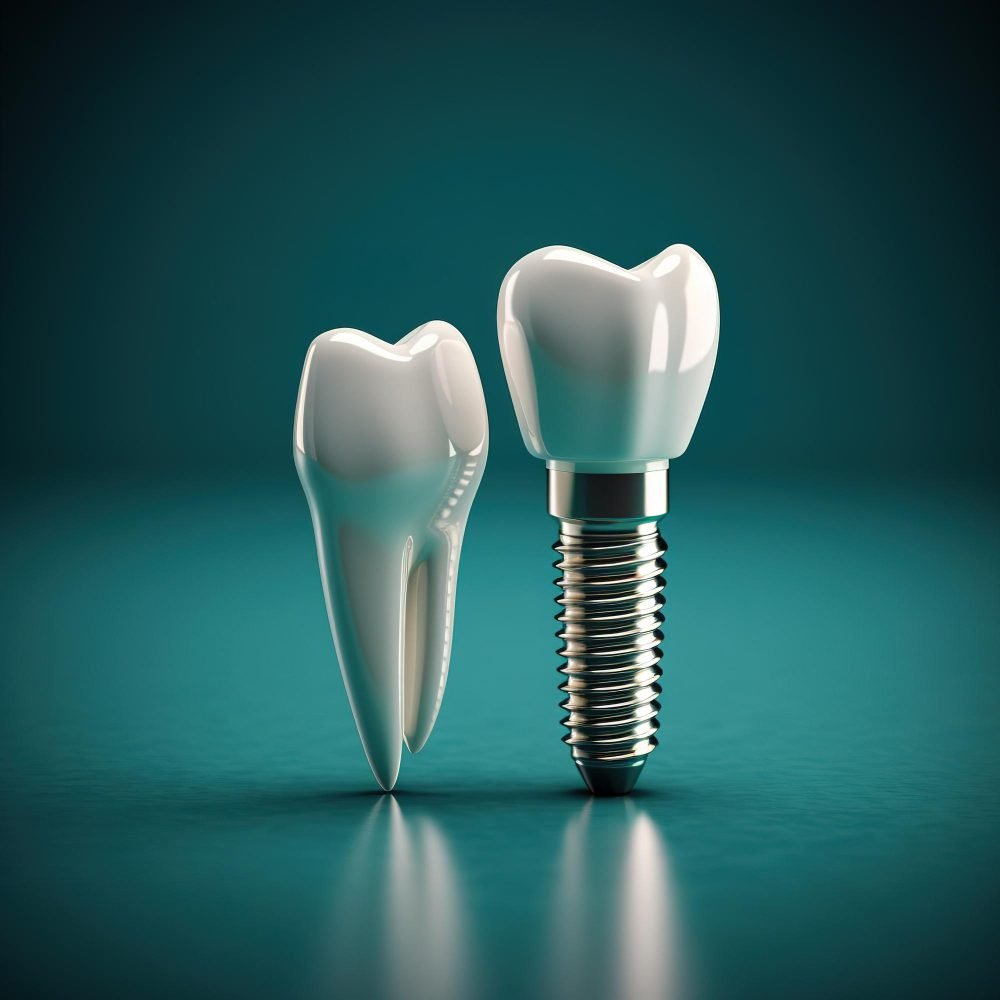
Dental implants serve as a critical component in the field of full mouth rehabilitation, offering solutions for individuals with significant tooth loss. These implants are essentially titanium posts that are surgically embedded into the jawbone, acting as artificial tooth roots. Once integrated with the bone, they provide a stable foundation for various restorative options, including crowns, bridges, or even full arch dentures. This integration process, known as osseointegration, is pivotal as it ensures the implant’s stability and longevity, making it a preferred choice for many dental professionals.
There are several types of dental implants available, such as endosteal implants, which are the most commonly used and placed directly into the jawbone, and subperiosteal implants, which are located beneath the gum but above the jawbone. Full mouth rehabilitation might require multiple implants or the use of advanced techniques like zygomatic implants for patients with substantial bone loss. These versatile solutions enable dentists to tailor treatments specifically to each patient’s unique anatomical situation.
One of the primary advantages of dental implants over traditional dentures and bridges is their biocompatibility, which significantly reduces the risk of complications. Because they are made from materials that closely resemble natural human tissues, these implants integrate seamlessly into the existing jaw structure. Additionally, unlike traditional dentures, dental implants help maintain jawbone health by stimulating bone growth. The absence of teeth can lead to bone resorption, affecting facial aesthetics and structure. Lastly, dental implants restore natural bite function and appearance remarkably well, allowing patients to enjoy their daily lives without the discomfort or embarrassment associated with removable dentures.
The Full Mouth Rehabilitation Process: Step by Step
Full mouth rehabilitation using dental implants is a meticulous process that encompasses multiple stages, ensuring a comprehensive approach to restore both function and aesthetics. The journey begins with an initial consultation, where the dental professional assesses the patient’s oral health and discusses their expectations and desires regarding the final outcome. This consultation is crucial for establishing a baseline understanding of the individual’s needs.
Following the consultation, diagnostic assessments come into play. These may include X-rays, CT scans, and intraoral photographs to provide a detailed view of the dental architecture, helping in identifying any pre-existing issues such as bone loss, gum disease, or malocclusion. This information is essential for devising a tailored treatment plan aligned with the patient’s specific requirements.
Once diagnostics are completed, treatment planning becomes paramount. This stage involves a collaborative effort among various dental specialists, including oral surgeons, prosthodontists, and periodontists. Each expert plays a pivotal role in the rehabilitation process, ensuring that the placement of the implants is executed precisely, taking into consideration the patient’s anatomical features and functional needs.
The actual implant placement is the next phase, typically performed under local anesthesia or sedation to ensure patient comfort. The oral surgeon will insert dental implants into the jawbone, providing a sturdy foundation for the final prosthetic teeth. After placement, a healing period is necessary during which osseointegration occurs, allowing the implants to fuse with the bone, a critical step for long-term stability.
Following the healing phase, the final restoration appointments begin. During these visits, prosthetic teeth are crafted and placed on the established implants, ultimately restoring the patient’s ability to chew and speak effectively. Patient preparation and aftercare are essential during this stage to promote healing and ensure the longevity of the implants. Proper oral hygiene practices and regular dental visits are recommended to maintain the health of the entire oral system.
Success Rates and Patient Experiences
Full mouth rehabilitation using dental implants has demonstrated significant success rates over the years, making it a preferred treatment option for many patients suffering from extensive dental issues. According to research, the success rate of dental implants can reach up to 95% in healthy individuals, with factors such as bone density, oral hygiene, and overall health playing crucial roles in determining the outcome. Various studies have reported that implant-supported restorations maintain high levels of patient satisfaction, often attributed to their functionality and aesthetics.
Patient testimonials and case studies further illustrate the transformative potential of this treatment. For instance, one patient, after years of struggling with loose dentures, underwent a full mouth rehabilitation procedure. Post-treatment, they expressed a newfound sense of confidence, stating that dental implants allowed them to enjoy their favorite foods without concern. Such personal accounts highlight the emotional and psychological benefits that accompany the physical restoration of one’s smile.
Nevertheless, it is important for prospective patients to approach this treatment with a balanced perspective. While many report successful outcomes, there are considerations regarding long-term maintenance and potential complications. Issues such as implant failure, peri-implantitis, or adjustment periods can arise, albeit infrequently. Regular follow-up visits and adherence to oral care routines are essential for sustaining implant success over time. Understanding these factors allows patients to set realistic expectations and engage proactively in their oral health journey.
In conclusion, the success rates of full mouth rehabilitation using dental implants, bolstered by patient experiences, point towards a highly effective treatment. However, potential patients should be informed about the need for ongoing maintenance and possible complications, ensuring they are well-equipped to make informed decisions regarding their dental health.
Conclusion
Full mouth rehabilitation using dental implants has proven to be a highly effective solution for restoring oral function and confidence with long-lasting, natural-looking results. Thanks to advances in modern dentistry, patients can once again enjoy eating, speaking, and smiling without discomfort or insecurity. To achieve the best possible outcome, it is essential to choose a trusted and experienced clinic. Dream Clinica in Istanbul stands out as a leading destination for full mouth rehabilitation and dental implant treatments, offering advanced technology and expert care to ensure exceptional results and patient satisfaction.